Home
Services
All Services
DEXA Scan
VO2 Max Test
Metabolic (RMR) Test
Blood Testing
Comprehensive
Pricing
Schedule
About
Home
Services
Comprehensive
Pricing
Schedule
About
Book Now
STAY IN THE KNOW
THE
BENCHMARK
BLOG
Featured article
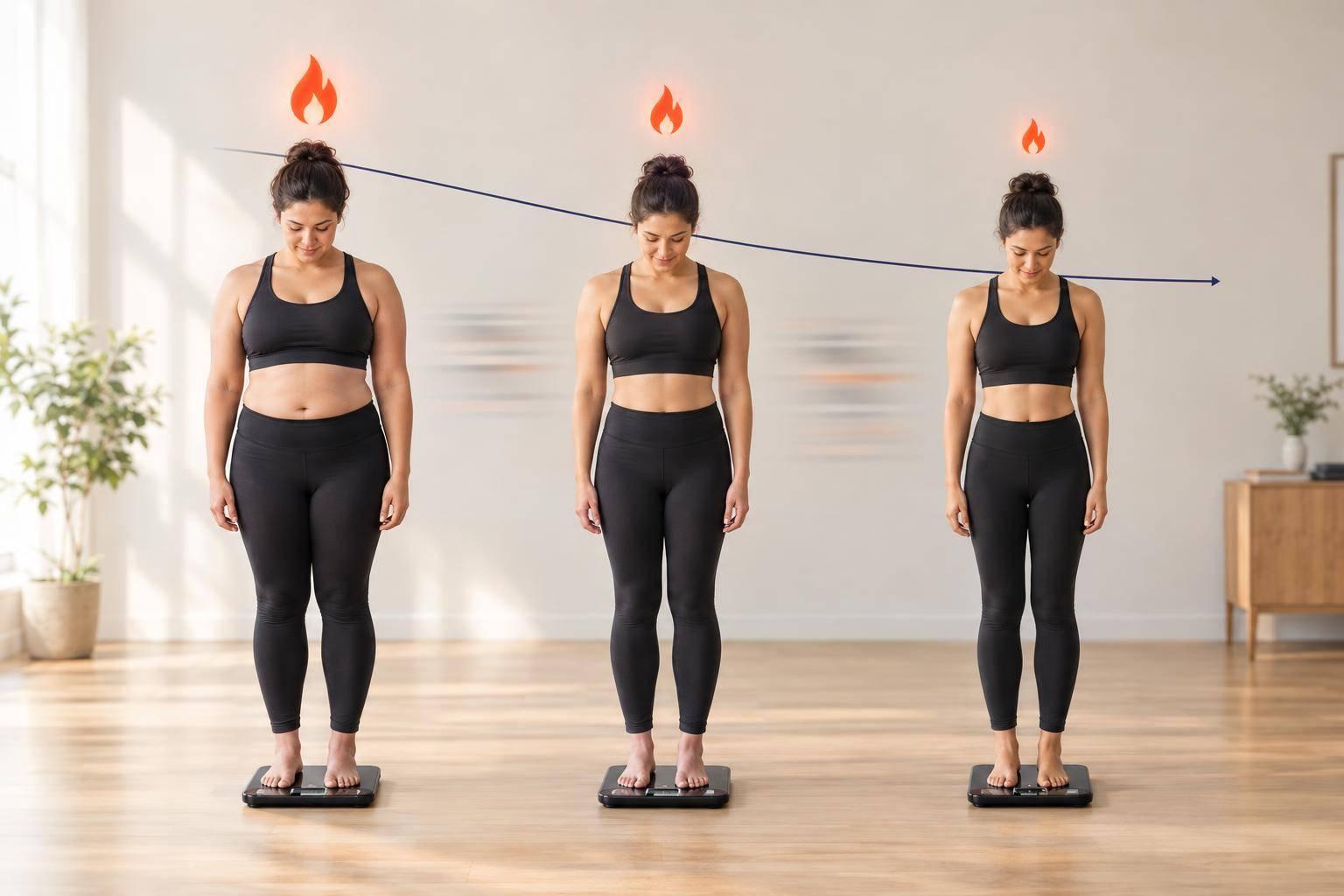
How Body Fat Impacts Adaptive Thermogenesis
Fat loss lowers calorie needs but doesn't mean permanent metabolic damage — check body composition, REE, movement, and multi-week trends first.
Read Blog Article
Featured article
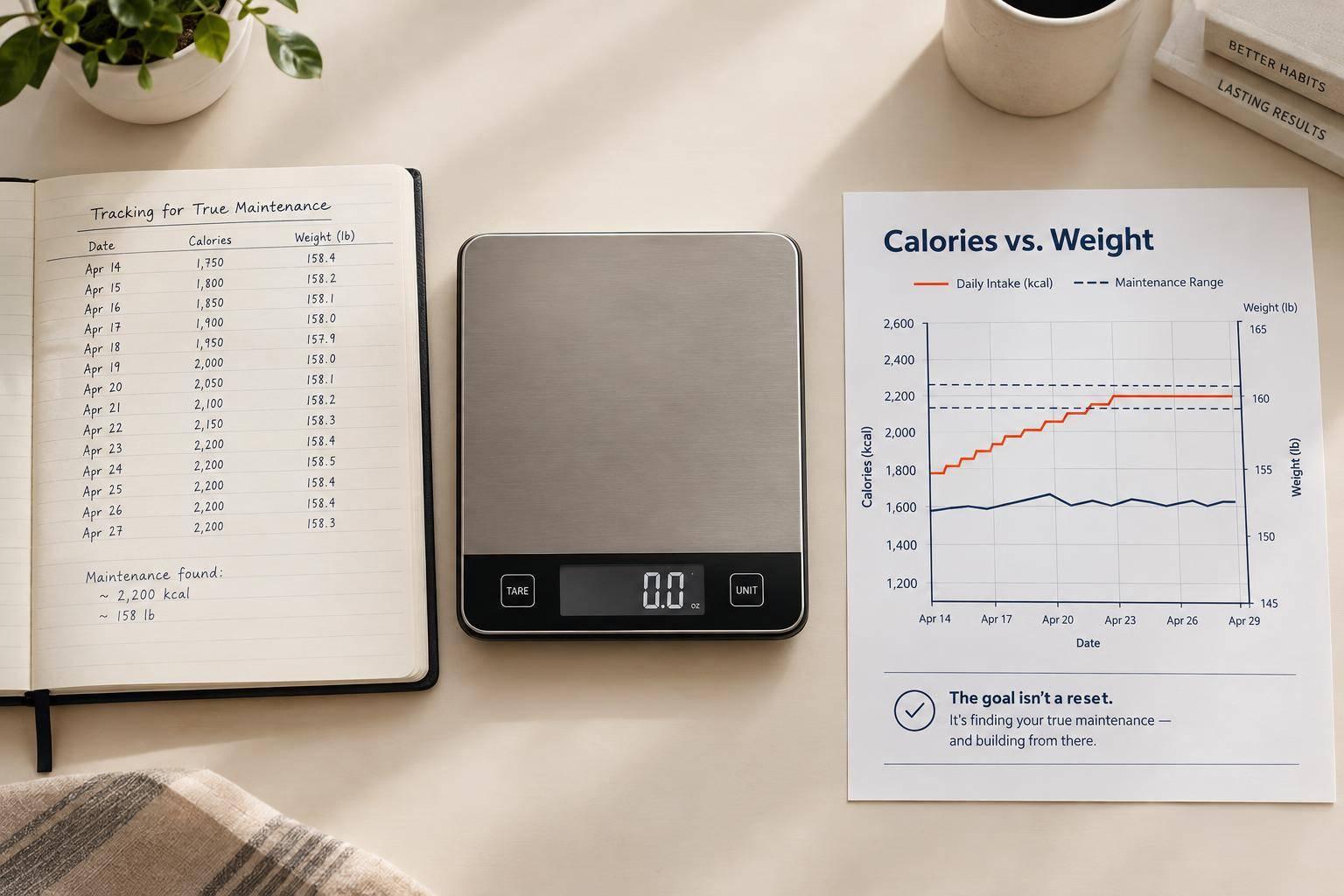
Reverse Dieting and Metabolic Adaptation Explained
Reverse dieting isn't a proven metabolic reset; use tracking and testing to find true maintenance and prioritize health.
Read Blog Article
Featured article
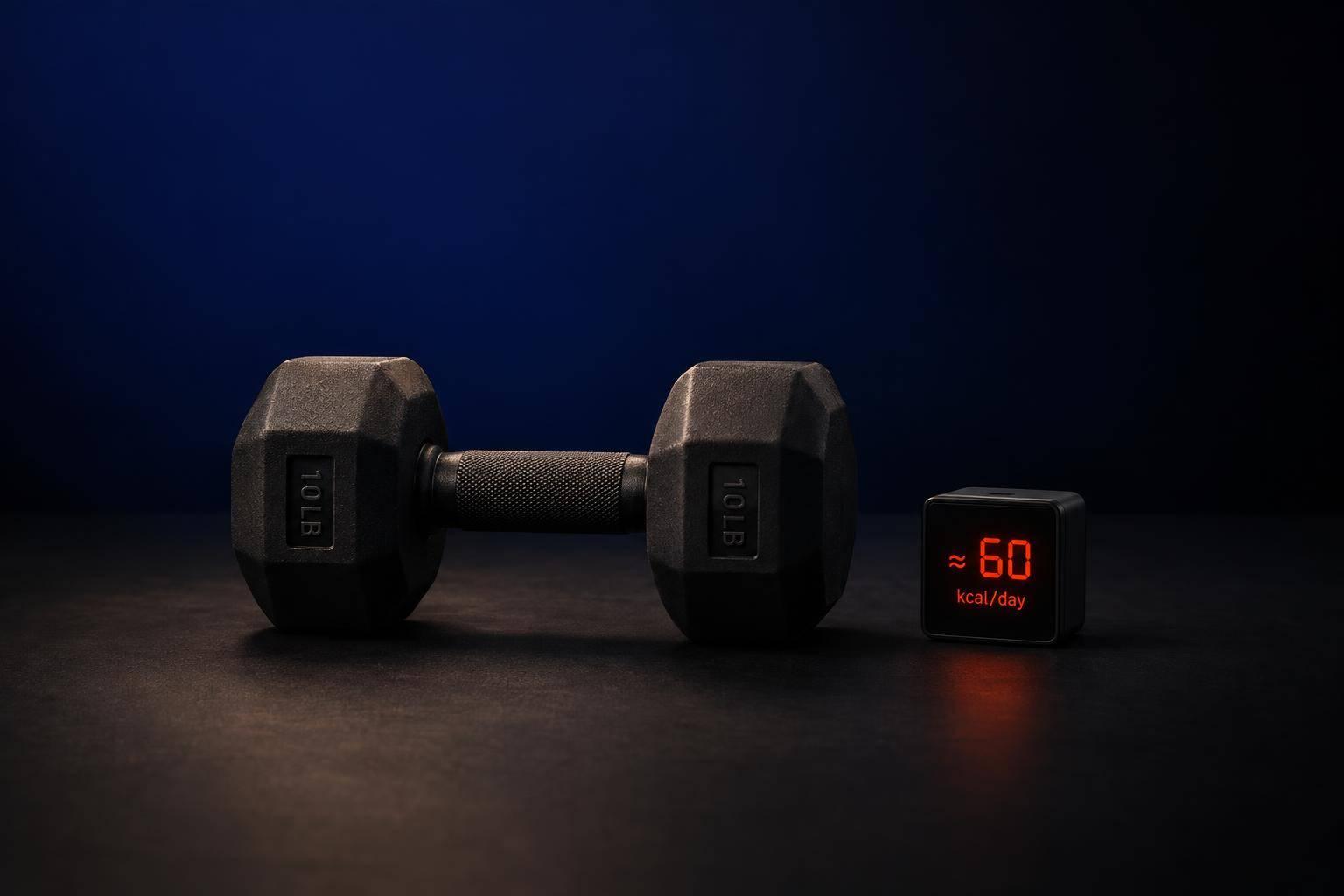
How Much Does Muscle Actually Impact Metabolism?
10 lb more muscle adds only ~60 kcal/day at rest; prioritize total daily needs and strength over expecting big metabolic gains.
Read Blog Article
Featured article
What Are the Risks of Having Too Little Muscle Mass?
Too little muscle raises fall risk, harms blood sugar control, and slows recovery—focus on strength, protein, and medical assessment.
Read Blog Article
Featured article
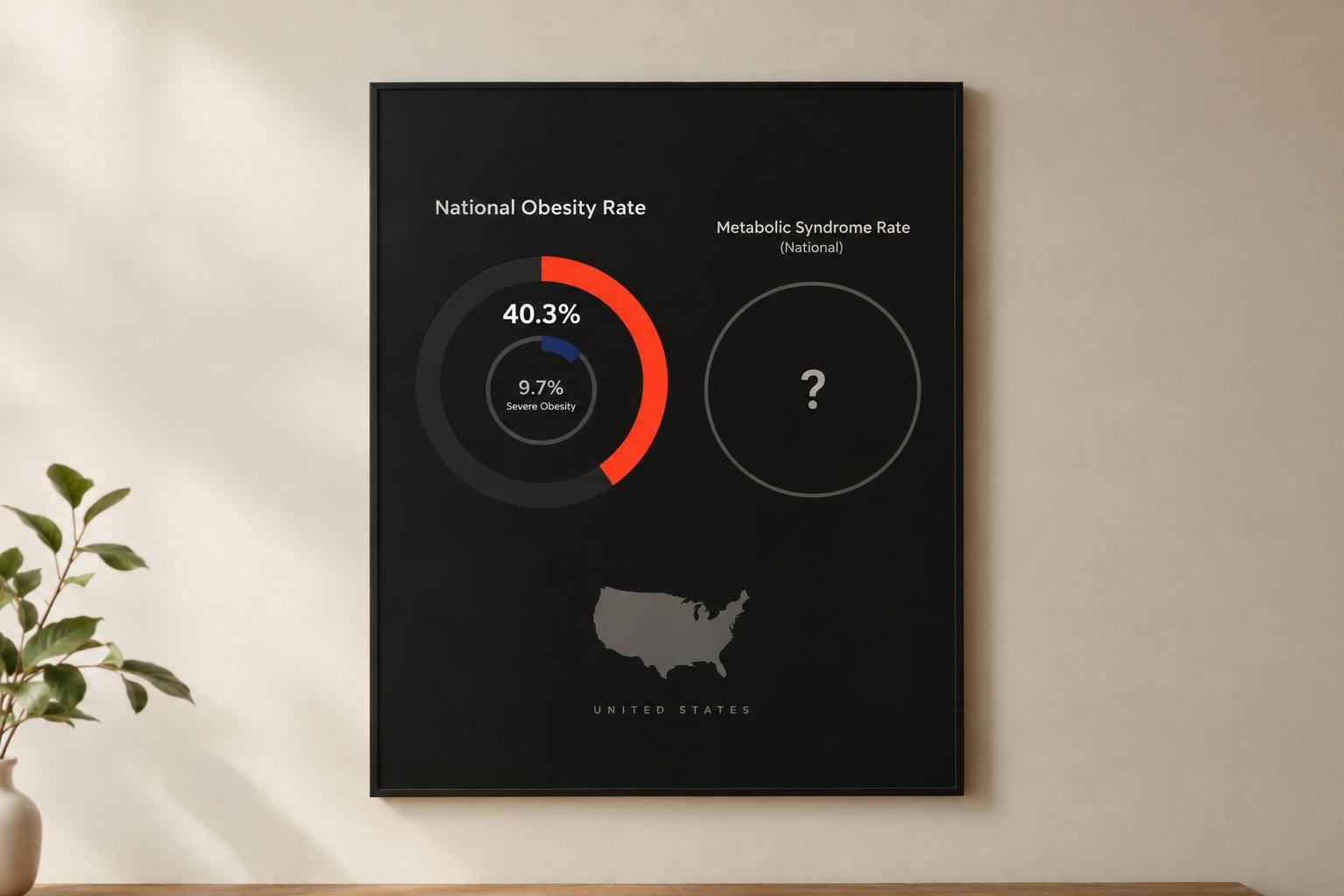
What Are U.S. Obesity and Metabolic Syndrome Rates?
CDC: 40.3% of U.S. adults had obesity (9.7% severe) in Aug 2021–Aug 2023; no national metabolic syndrome prevalence verified.
Read Blog Article
Featured article
Does Eating Higher-Quality Food Help With Weight Loss?
Higher-quality foods—more protein, fiber, and low energy density—make meals more filling, preserve muscle, and ease maintaining a calorie deficit.
Read Blog Article
Featured article
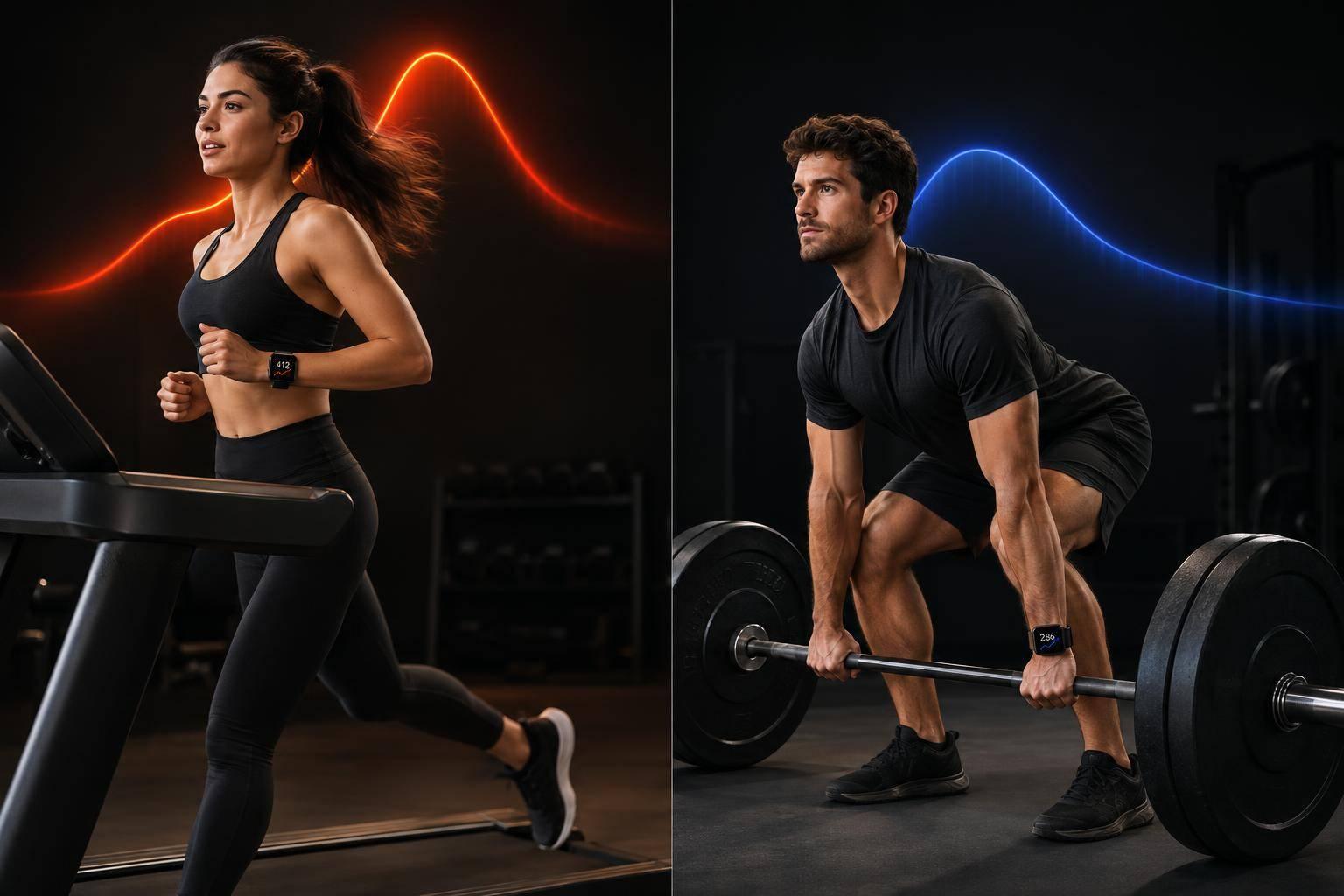
Roundup: Studies on Calorie Burn in Cardio vs Weightlifting
Examines session calories, EPOC, and long-term body-composition effects of cardio vs weightlifting; wearables track trends.
Read Blog Article
Featured article
Ultimate Guide to RMR Testing
Measure resting calorie burn, learn prep steps, read RMR reports, and use the number to set accurate calorie targets.
Read Blog Article
Featured article
What Is the "Fat-Burning Zone" and Does It Matter for Fat Loss?
Burning a higher share of fat during a workout doesn't mean more fat loss; calorie deficit, consistency, and sustainable cardio matter most.
Read Blog Article
Featured article
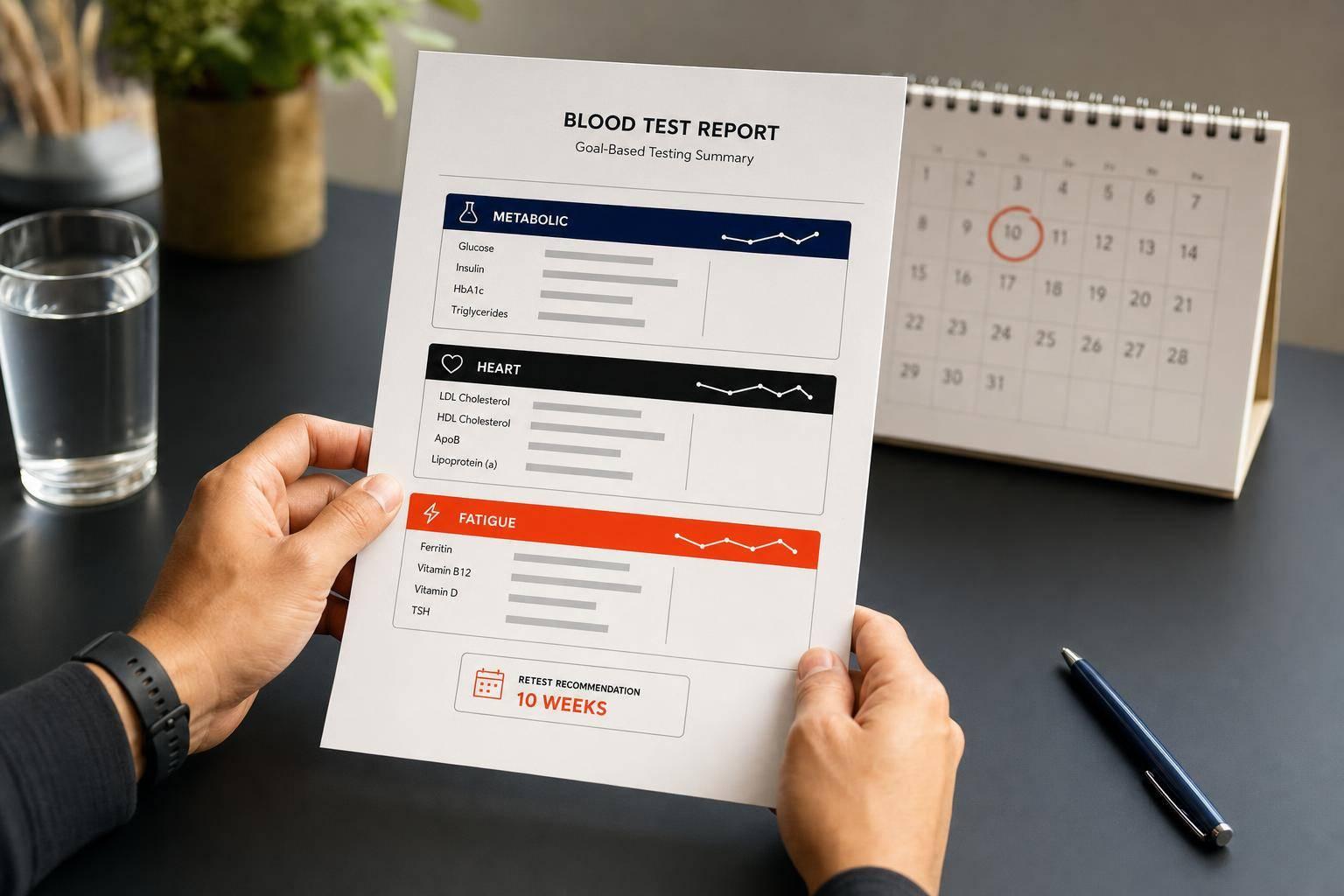
How do you know what blood markers to test?
Pick blood tests by goal—metabolic, heart, or fatigue—track trends, use the same lab, and retest in 8–12 weeks.
Read Blog Article
Featured article
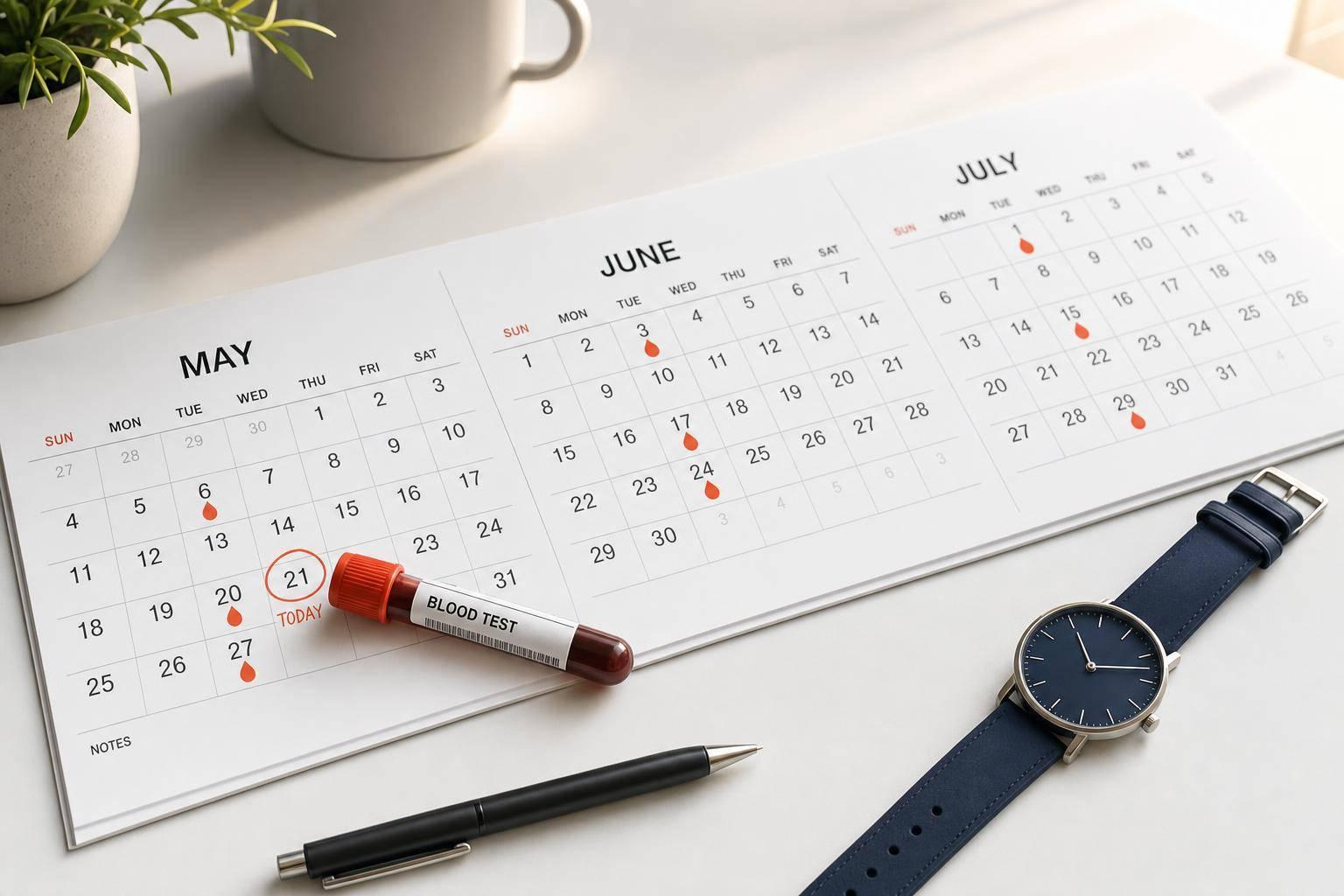
How often should you do a blood test?
Age- and goal-based guidance on when to get blood tests, when to retest after meds or changes, and schedules for common markers.
Read Blog Article
Featured article
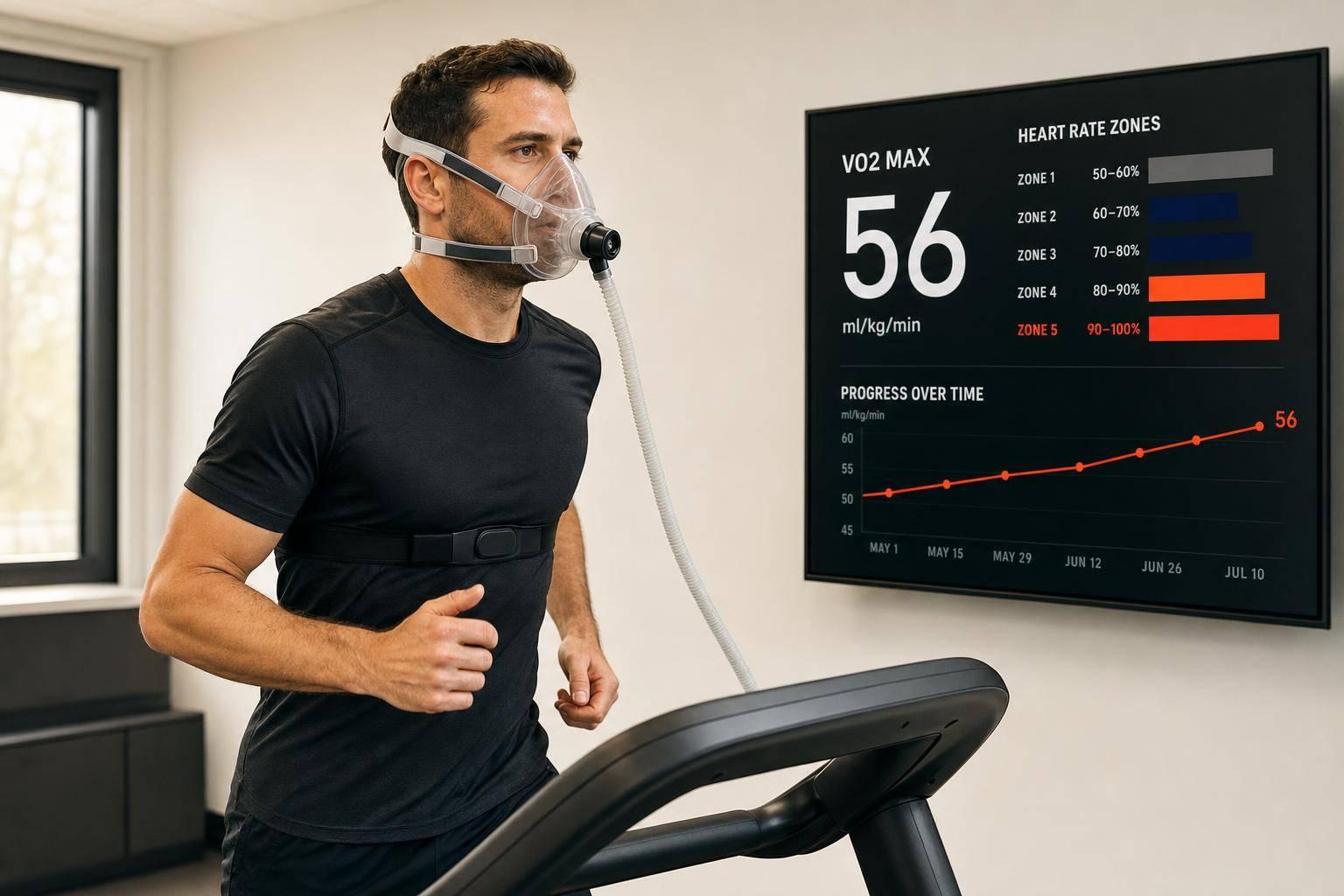
Why should you get a VO2 Max test?
VO2 max reveals true aerobic fitness, predicts long-term risk, sets personalized heart-rate zones, and tracks training progress.
Read Blog Article
Featured article
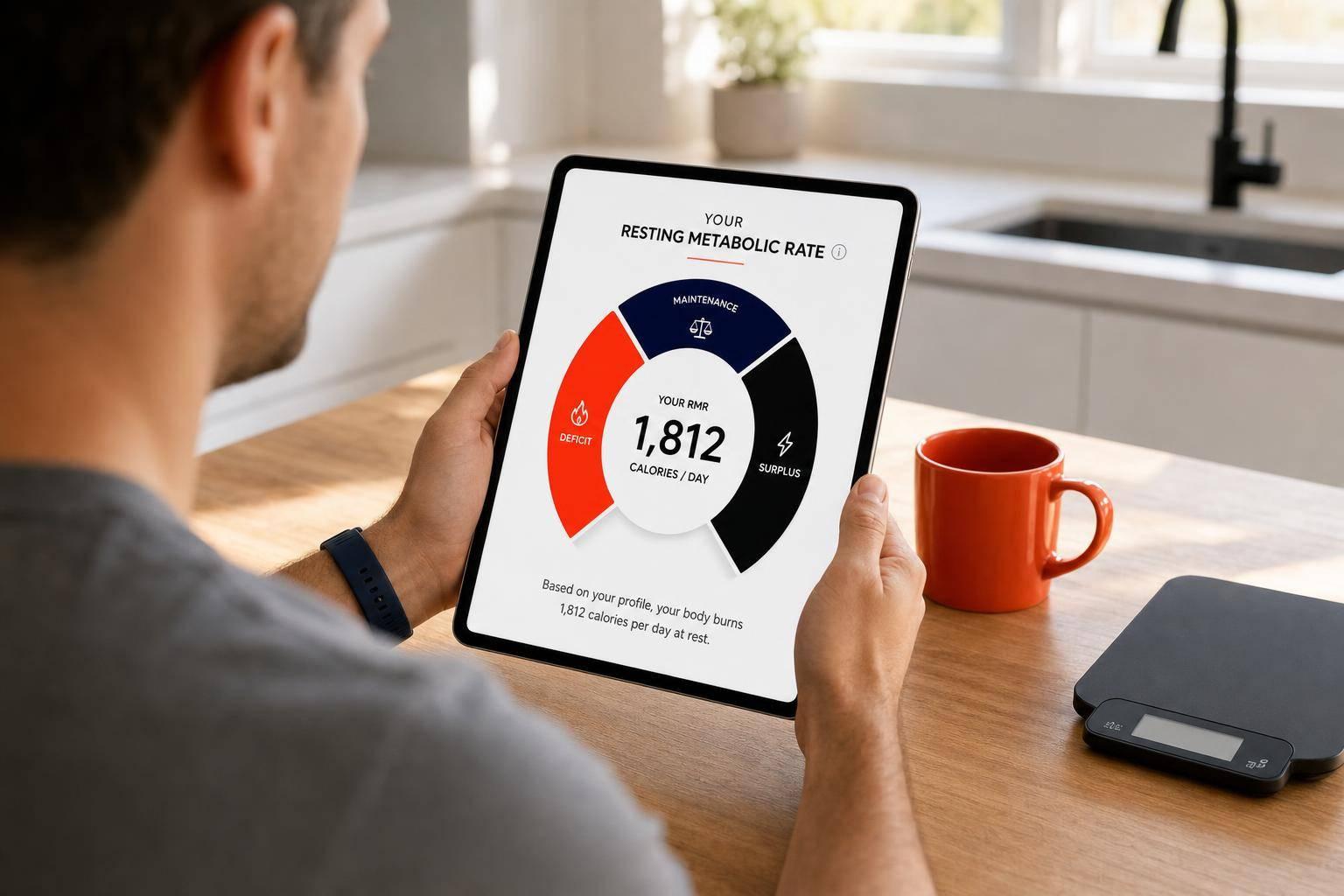
How Can a Resting Metabolic Rate (RMR) Test Help You?
Measured RMR gives a personalized calorie baseline to set maintenance, deficits, or surpluses and diagnose plateaus.
Read Blog Article
Featured article
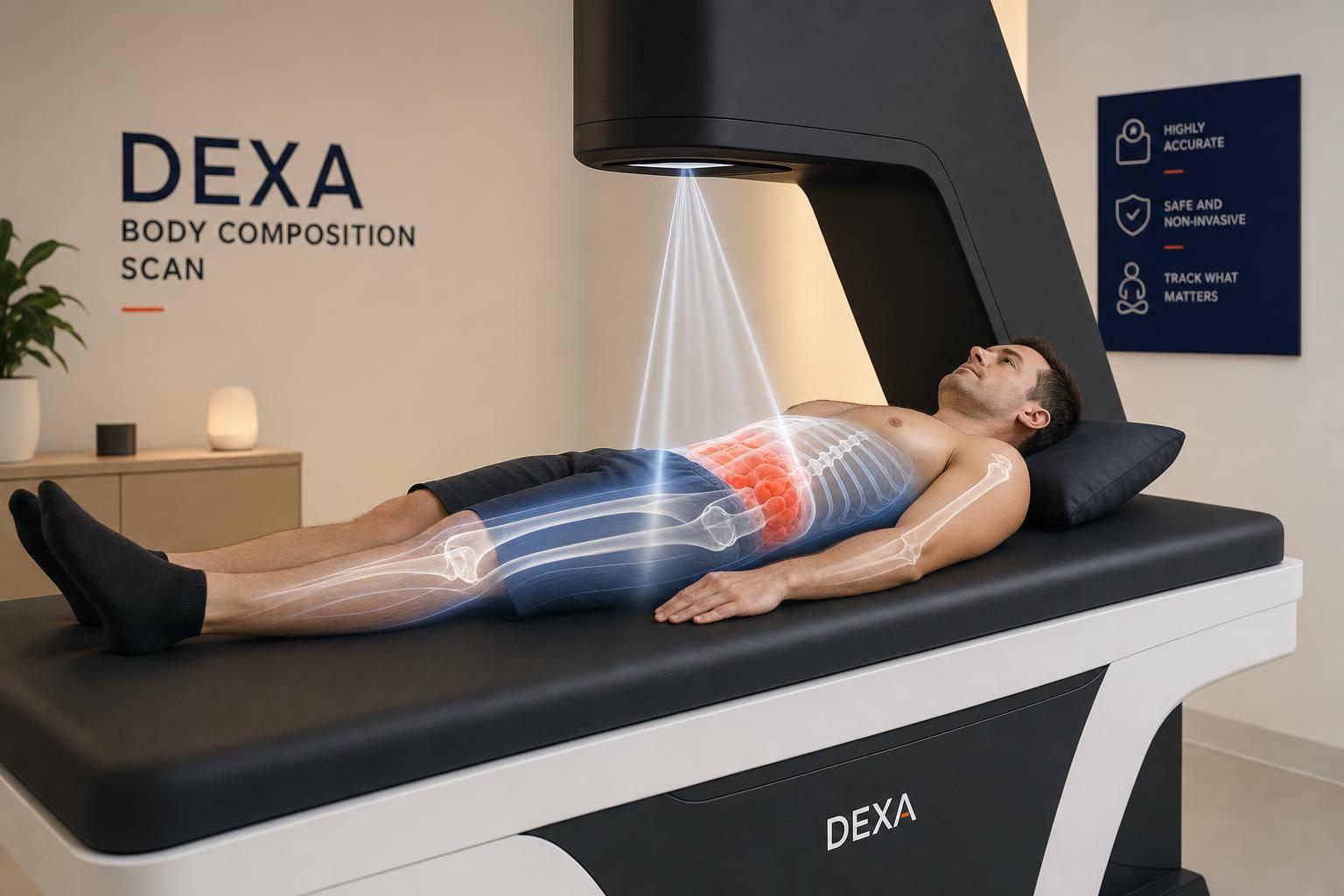
Why Should You Get a DEXA Scan?
DEXA scans reveal fat distribution, visceral fat, lean mass, and bone density—clear data to guide fitness, metabolic risk, and aging.
Read Blog Article
Featured article
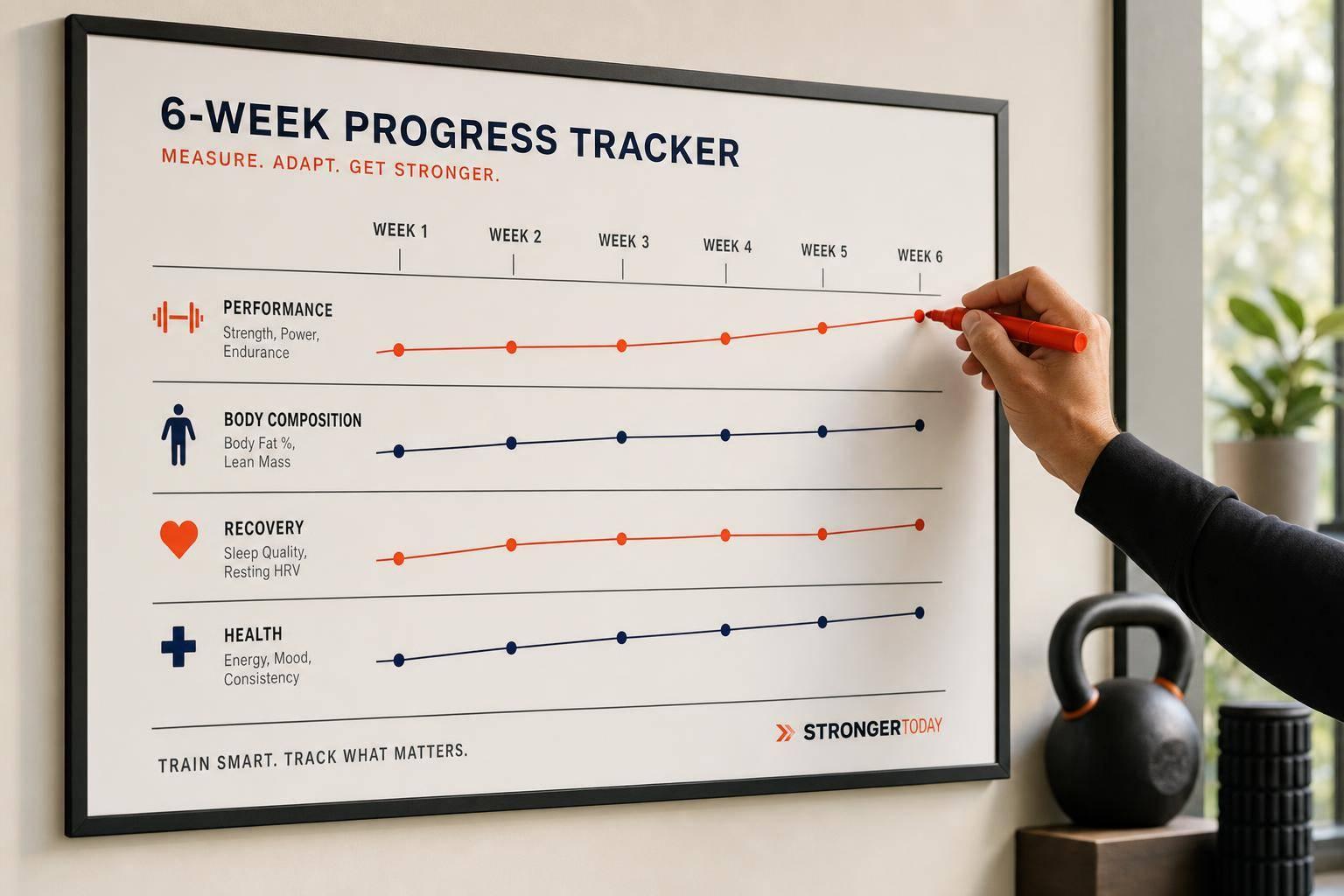
How to know if your training program is working
Track performance, body composition, recovery, and health markers over 4–6 weeks to confirm training progress and guide one-variable changes.
Read Blog Article
Featured article
How much muscle mass can you gain or lose in 1 year?
Realistic yearly muscle gain/loss ranges for beginners to advanced, plus protein, calories, sleep, and measurement tips.
Read Blog Article
Featured article
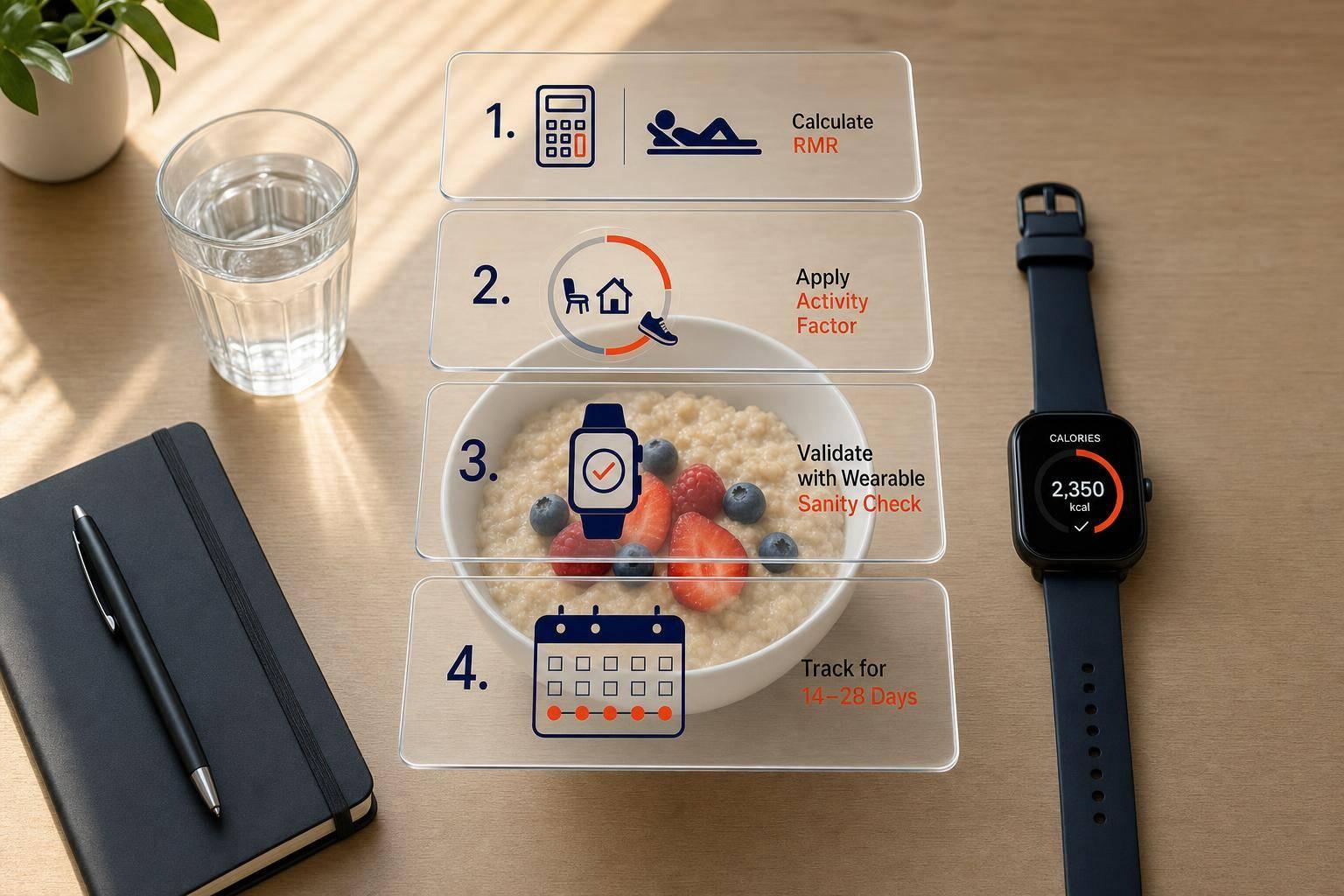
How to find your daily calorie expenditure?
Your daily calorie burn isn't just workouts — calculate RMR, apply an activity factor, sanity-check wearables, and test for 2–4 weeks.
Read Blog Article
Featured article
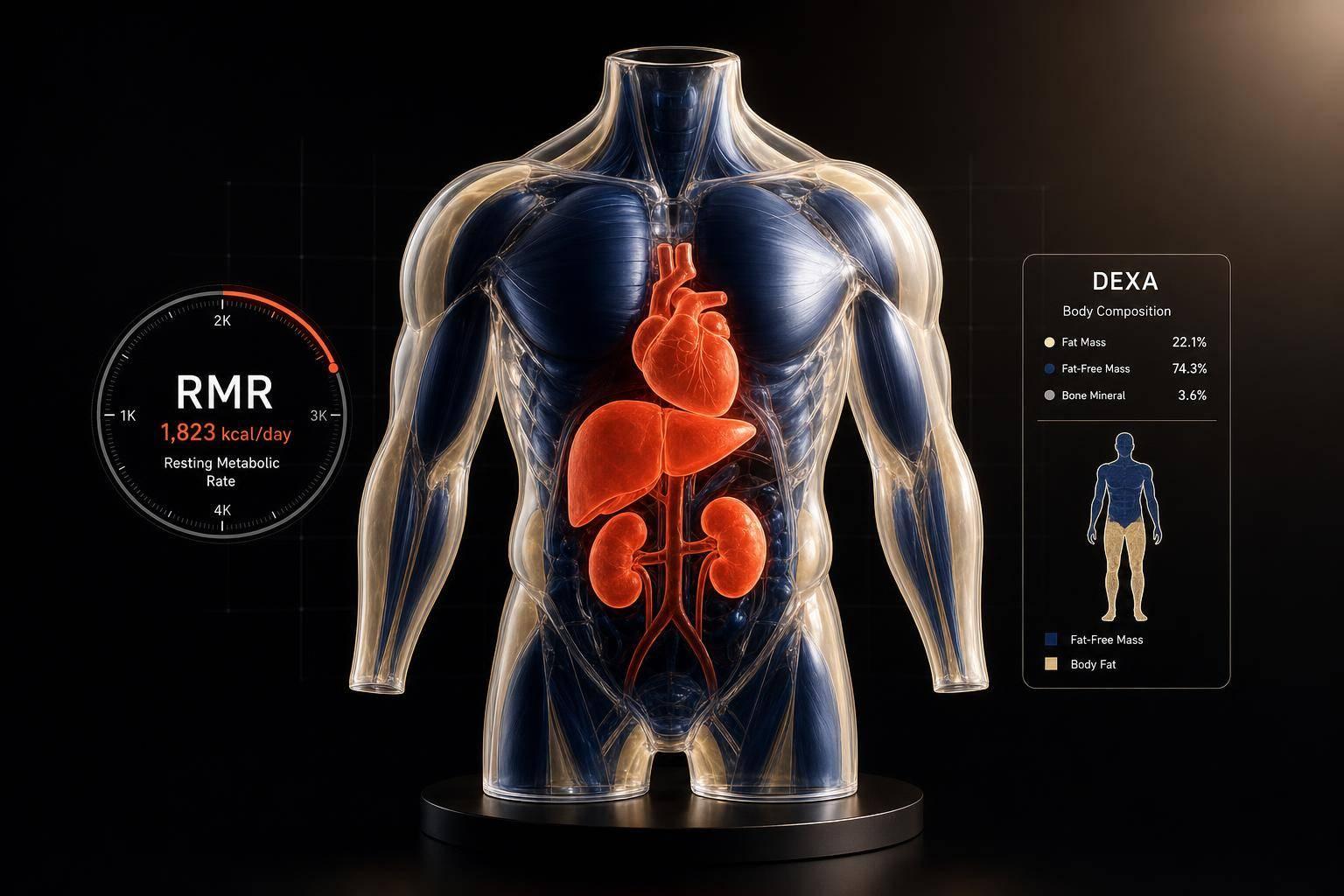
Resting Metabolic Rate and Body Composition
Fat-free mass and organ size drive RMR more than weight; measure RMR and DEXA and retest to guide diet and training.
Read Blog Article
Featured article
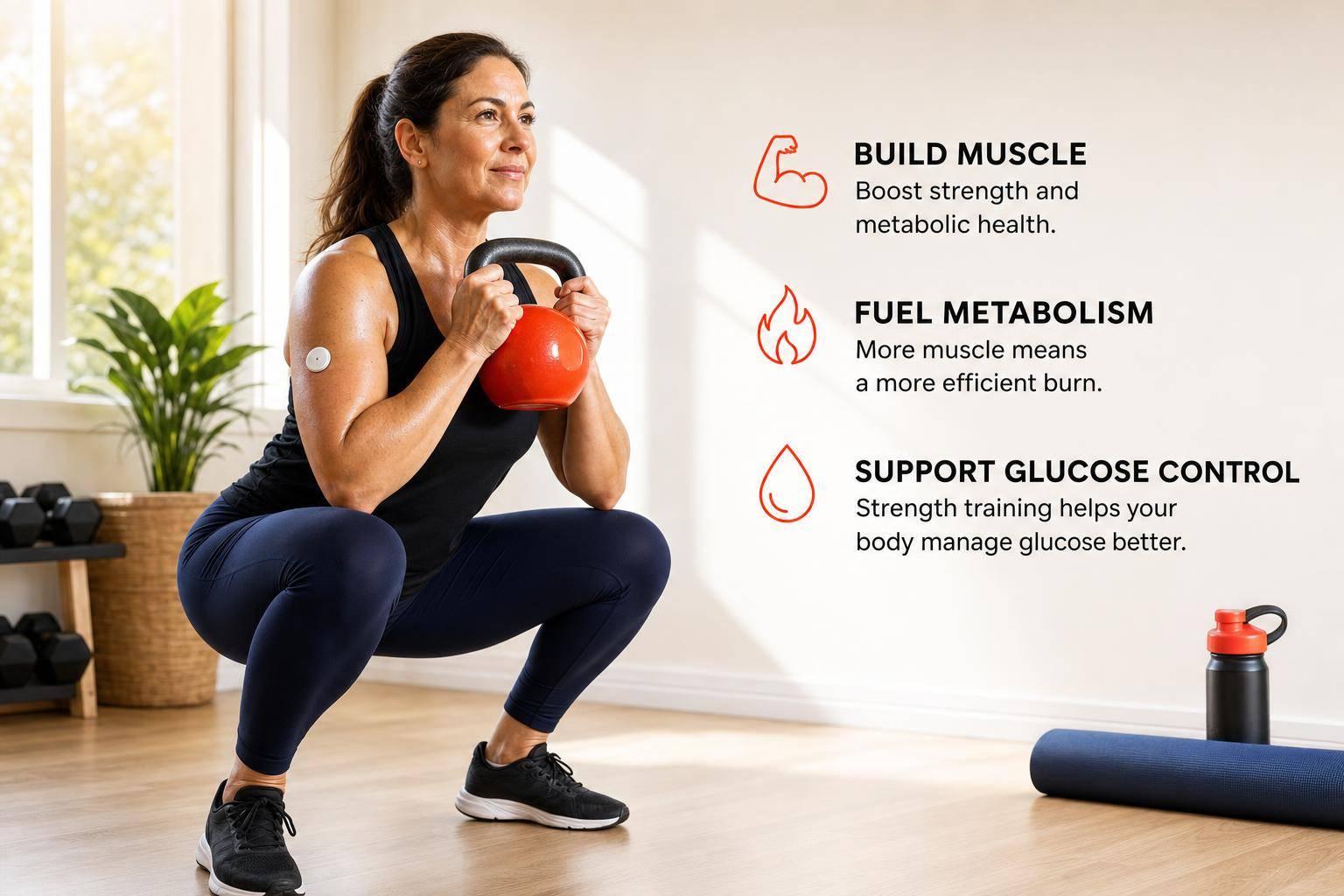
Muscle Mass and Metabolism: Key Connections
How muscle slightly raises resting calorie burn, improves glucose control, and practical tips to protect lean mass with age.
Read Blog Article
Featured article
Body Fat Percentage Calculator
Estimate body fat with U.S. Navy and BMI formulas. Switch units, get body fat category, fat mass, and lean mass in seconds.
Read Blog Article
Featured article
VO2 Max Calculator
Estimate your VO2 max using popular run, walk, and heart rate methods. Fast results, unit conversions, and fitness ratings in one simple tool.
Read Blog Article
Featured article
BMR Calculator
Estimate your BMR and daily calorie needs with metric or imperial units using Mifflin-St Jeor or Harris-Benedict.
Read Blog Article
Featured article
Research on Exercise and Weight Plateaus
Why the scale stalls despite exercise: metabolic adaptation, drops in NEAT, rising appetite, and how resistance or mixed training can help.
Read Blog Article
Featured article
How Accurate Is Smartwatch VO2 Max Compared to a Lab Test?
Smartwatch VO2 max is useful for long-term trends; lab CPET provides precise VO2, ventilatory thresholds, and clinical-grade results.
Read Blog Article
Featured article
What is a good VO2 max?
VO2 max is the single best marker of cardiorespiratory reserve—age, sex, training, and body composition determine what 'good' means.
Read Blog Article
Featured article
What is a healthy body fat percentage?
Healthy body fat ranges by sex, age, and activity, measurement methods, risks, and practical steps to reach safe targets.
Read Blog Article
Featured article
VO2 Max and Longevity: What Studies Show
Higher VO2 max cuts mortality risk—small improvements in cardiorespiratory fitness lower death from heart disease, cancer, and all causes.
Read Blog Article
Featured article
How DEXA Scans Track Muscle Over Time
DEXA provides precise, low-radiation body-composition tracking to detect meaningful muscle changes and known measurement limits.
Read Blog Article
Featured article
Heart Rate Zone Training for VO2 Max Gains
Balance Zone 2 aerobic work with Zones 4–5 intervals (80/20) to boost VO2 Max 5–20% in 8–12 weeks; set zones with tests, wearables, or RPE.
Read Blog Article
Featured article
Choosing the right calorie target for your goals
Estimate your TDEE, set a deficit or surplus for your goals, and fine‑tune intake with tracking or metabolic testing.
Read Blog Article
Featured article
Can running slow really help you run faster? Zone 2 training guide
How low-intensity Zone 2 runs build aerobic capacity, fat-burning and recovery to make you faster over weeks and months.
Read Blog Article
Featured article
Beginners guide to heart rate training zones
Heart rate zones let you train smarter—calculate your MHR, set Zones 1–5, and tailor workouts for fat loss, endurance, or speed.
Read Blog Article
Featured article
How to lose fat while simultaneously gaining muscle
Eat near maintenance, prioritize protein, and follow strength training plus measured cardio to lose fat and build muscle steadily.
Read Blog Article
Featured article
How Often Should You Get a DEXA Scan?
Tailor DEXA timing to your goals: annual bone-density checks by T‑score and risk, and body-composition scans every 3–6 months.
Read Blog Article
Featured article
Pre-Test Checklist: Getting Accurate Metabolic Results
Step-by-step checklist to prep for metabolic and RMR tests: fasting, hydration, meds, exercise limits, and timing for accurate results.
Read Blog Article
Featured article
Low Bone Density: How to Detect and Improve It Early
Early DEXA screening, nutrition, and strength training can detect and improve low bone density before fractures occur.
Read Blog Article
Featured article
VO2 Max by Age: What's Normal for Your Fitness Level?
How VO2 Max changes with age, plus age-and-sex benchmarks, testing options, and proven training to boost cardiovascular fitness.
Read Blog Article
Featured article
What Does a DEXA Scan Show? Results Explained
Explains DEXA measurements—body fat distribution, lean mass, visceral fat, RMR, and bone density for practical health insight.
Read Blog Article
Featured article
7 Signs Your Metabolism Needs Testing
Persistent fatigue, cravings, or unexplained weight shifts often mean your metabolism needs testing before bigger problems arise.
Read Blog Article
Featured article
Body Composition Testing: 5 Methods Compared
Compare five body composition tests—DEXA, BIA, calipers, hydrostatic weighing, and 3D scans—by accuracy, cost, and best use.
Read Blog Article
Featured article
How to Prepare for Your First VO2 Max Test
Rest, hydrate, eat carbs, sleep well and wear light gear—practical steps to perform your best on a lab VO2 max test.
Read Blog Article
Featured article
DEXA Scan vs. Body Fat Scale: Which Is More Accurate?
Compare DEXA scans and body-fat scales — accuracy, cost, pros, and when to choose each for reliable body-composition tracking.
Read Blog Article
Featured article
Why your scale is lying to you
Judging your health by your body weight might actually make you less healthy.
Read Blog Article
Featured article
The simple guide to bone density
Why bone density matters and how to measure it with a DEXA.
Read Blog Article